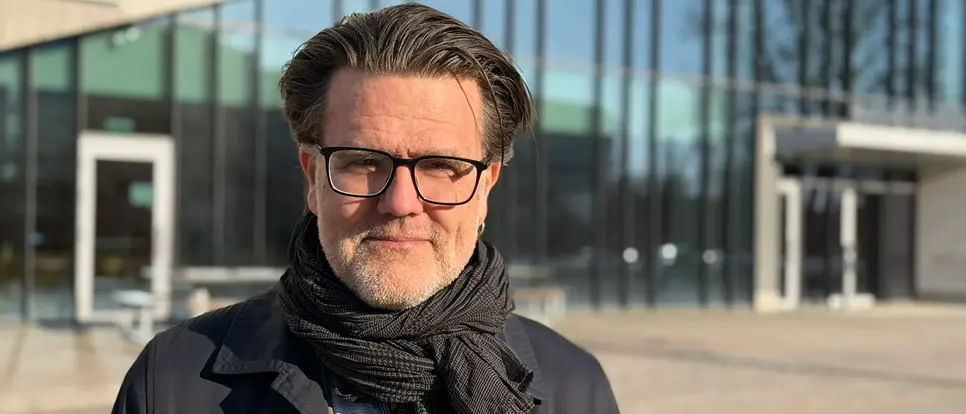
ERIK OLSSON// UNIVERSITY OF UPPSALA// PROFESSOF OF HEALTH PSYCHOLOGY
»Working together is easy. Aligning the administrative frameworks is not.«
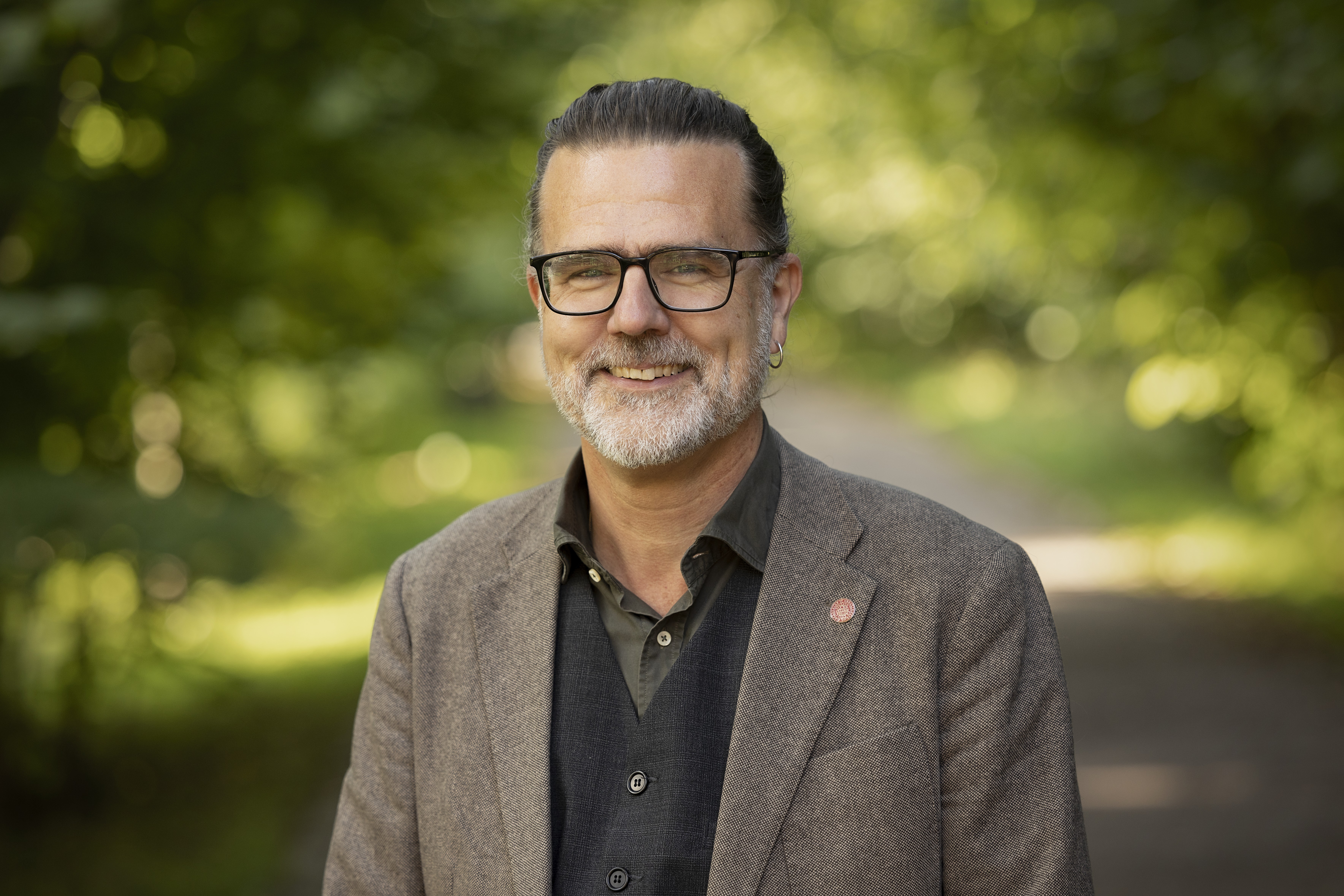
Erik Olsson is a Professor of Health Psychology at Uppsala University, specialising in the psychological aspects of cardiovascular disease. In this interview, he shares what drew him to explore the connection between mind and body, reflects on the rewards and challenges of international collaboration within ENLIGHT, and highlights the value of curiosity, cooperation, and the body’s own intelligence in both research and teaching.
Where are you from?
ERIK: Sweden
Why did you choose your field of research?
ERIK: I have long been fascinated by the interplay between body and mind, how our thoughts, feelings, and behaviours both shape and are shaped by our complex physiological systems, beyond the brain alone. What interests me most is the body’s own intelligence: the subtle, automatic adjustments that prepare us to meet and act upon our environment.
This curiosity led me into biofeedback and psychophysiology, where the heart’s rhythms became my main focus. Through heart rate variability, I saw how the heart mirrors our capacity to adapt, manage stress, and recover.
From there, it was natural to study people living with cardiovascular disease. I wanted to understand how emotions, behaviors, and life circumstances influence disease progression and recovery. My research has grown in this space where cardiology and psychology meet.
What do you like the most about your current occupation?
ERIK: Working with research and education at a university offers a rare chance to keep growing; intellectually, professionally, and personally. It’s never boring. Much of my work involves long‑term projects where careful preparation eventually bears fruit, which is very rewarding. And most days I’m surrounded by curious, intelligent, and ambitious people, not least the students.
How did you find out about ENLIGHT?
ERIK: I first heard about ENLIGHT through personal contacts at my university. But this was a long time ago. Today I think ENLIGHT is much more visible.
Tell us about your participation in ENLIGHT.
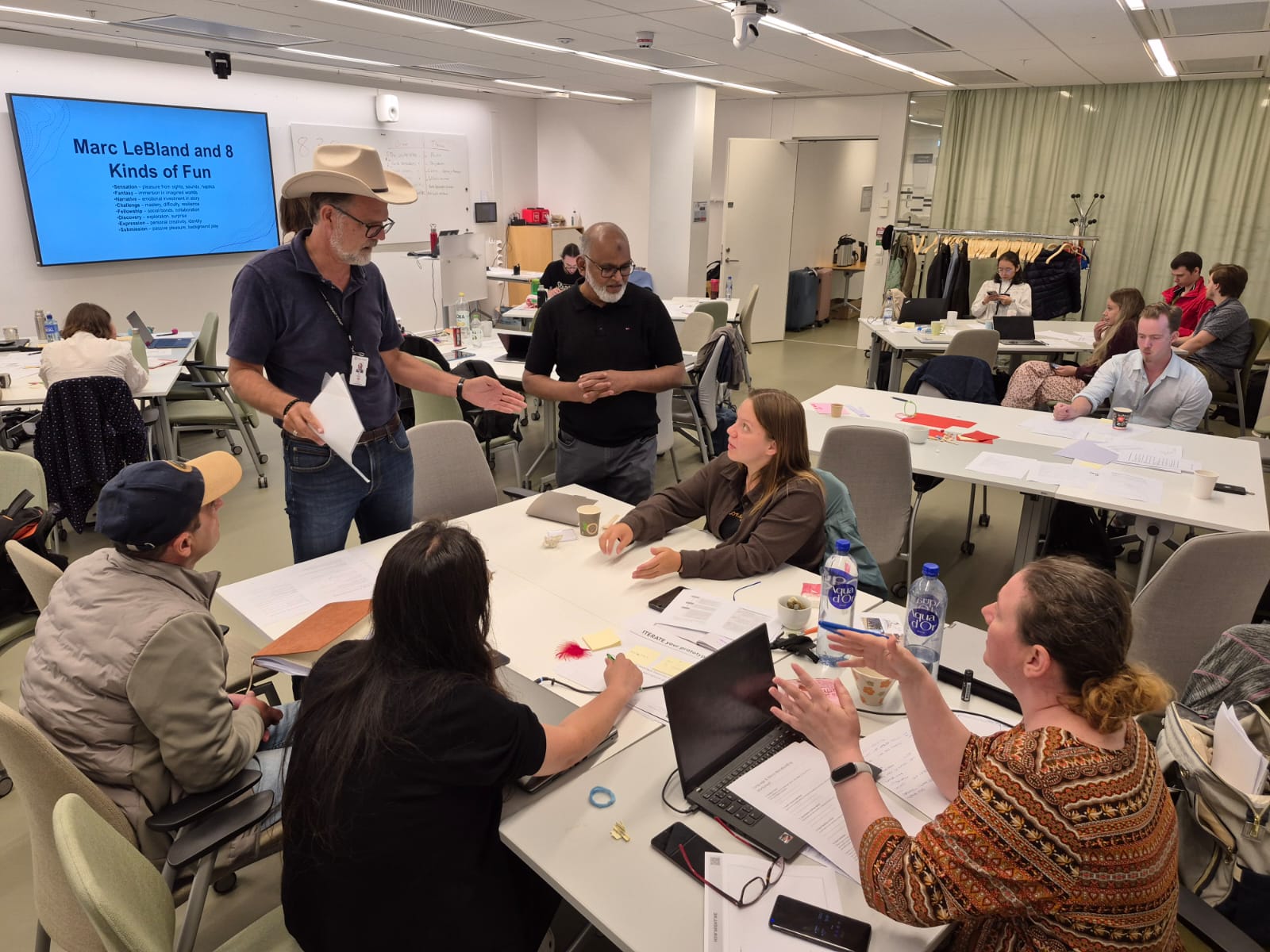
ERIK: I work part‑time as an academic coordinator in the medical and pharmaceutical disciplines at Uppsala University. I also collaborate with colleagues at several ENLIGHT partner institutions, primarily in teaching but also in research. For example, we have excellent international teaching teams for both ENLIGHT courses I lead here in Uppsala, i.e. Innovation Game – Health and Cardiovascular Psychology. We are now also planning a joint master’s degree program, which is a very exciting development.
What is your biggest takeaway from your experience with ENLIGHT?
ERIK: My biggest takeaway is how easy and rewarding it is to collaborate with colleagues from our partner universities. There is an impressive breadth of expertise across the alliance, and everyone I’ve worked with so far has been genuinely kind, open, and enthusiastic about joint initiatives.
The challenge, however, lies in the systems. Each university operates differently, and these structural differences can sometimes slow down or complicate collaboration and mobility. Working together is easy. Aligning the administrative frameworks is not.
What do you like to do in your free time?
ERIK: Outside of work, I play bass guitar in a band (Södra Kvarken; we are on Spotify!). I also enjoy reading and playing team or ball sports. Nowadays, it is mainly racquet sports.
What is the best book you recently read?
ERIK: I think the last one was Lina Wolff’s (Swedish author) “Liken vi begravde”. I liked it very much. Otherwise, I’m a fan of Knausgård, and the Swedish author Mikael Niemi.
If you were to recommend ENLIGHT to a colleague, what would you say?
ERIK: ENLIGHT offers an easy entry point into international collaboration. The connections are already in place, and the support structures are set; the field is raked. If you enjoy working with people and are curious about how things are done in other parts of Europe, ENLIGHT is the ideal place to start.